Accept Payments Online for Small Business: A Data-Driven Guide to Faster Growth
- May 4, 2026
- Jennifer Moore
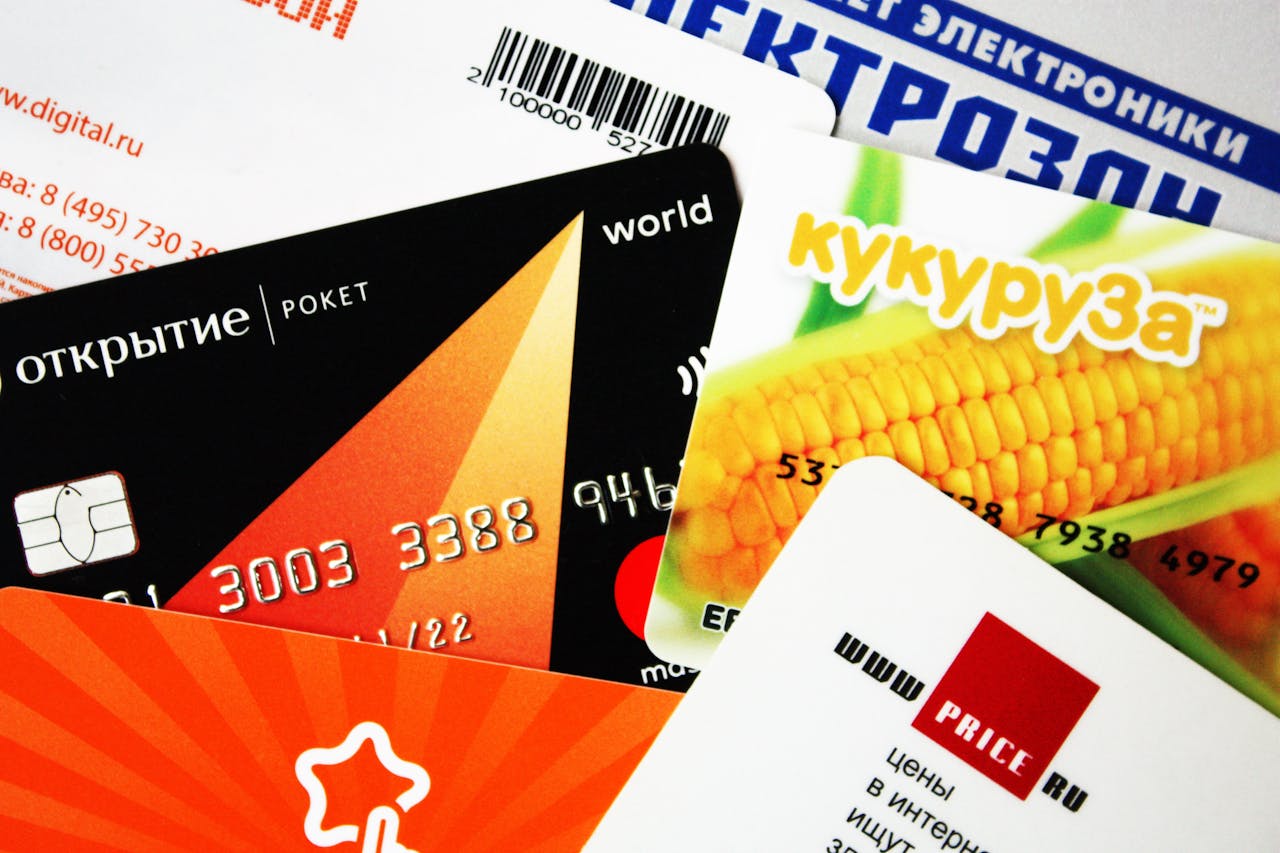
For many founders, one of the first major digital growth questions is simple: how do you accept payments online for small business operations without adding complexity, delays, or lost sales?
The answer matters more than ever.
Digital payment adoption keeps accelerating. In India alone, more than 21 billion UPI transactions were processed in January 2026, highlighting how customer buying behavior now favors instant digital checkout experiences.
At the same time, global ecommerce continues expanding rapidly, which means customers increasingly expect businesses to offer fast, secure, and flexible payment options.
If you are a startup, freelancer, D2C seller, SaaS founder, or service provider, learning how to accept payments online for small business growth is no longer optional—it directly affects revenue, customer trust, and repeat sales.
This guide answers the most common questions small businesses ask, while also showing how a unified payment infrastructure like PayBito can help solve real-world payment challenges.
Why Should Small Businesses Accept Payments Online?
What changes when you accept payments digitally?
When businesses begin to accept payments online for small business operations, three immediate improvements usually happen:
- Faster collections
Customers pay instantly instead of waiting for invoices, manual bank transfers, or cash settlements.
- Higher conversion rates
A smooth checkout removes buying friction.
- Better cash flow visibility
Real-time dashboards make it easier to track pending, successful, refunded, and failed transactions.
In simple terms, online payments turn revenue collection into a growth engine instead of an operational bottleneck.
What Are the Biggest Problems Small Businesses Face?
Even though many owners want to accept payments online for small business growth, they usually face the same issues.
Q: Why do many small businesses struggle with online payments?
A: Because payment setup often feels more complicated than the sales itself.
Common pain points include:
- High cart abandonment during checkout
- Limited payment method availability
- Slow settlements
- Poor visibility into failed transactions
- Difficulty managing subscriptions or recurring payments
- Problems reconciling payments across multiple sales channels
Many businesses lose customers not because of pricing or product quality—but because the payment process feels slow, confusing, or unreliable.
How Can You Accept Payments Online for a Small Business Easily?
Q: What is the easiest way to accept payments online?
A: Use a payment gateway that supports multiple collection methods.
A modern payment gateway allows businesses to accept:
- Credit cards
- Debit cards
- UPI
- Net banking
- Wallets
- Payment links
- Subscription billing
- Mobile app payments
When you accept payments online for small business sales using multiple payment options, customers are more likely to complete checkout.
The logic is simple:
more payment choices = fewer abandoned transactions
Which Payment Methods Matter Most?
Q: What payment methods should a small business offer?
A: Offer the payment methods customers already use daily.
For most businesses, that means prioritizing:
UPI and instant bank-based payments
Especially useful for local businesses and India-focused ecommerce.
Cards
Still essential for higher-value purchases.
Payment links
Ideal for freelancers, consultants, agencies, and service businesses.
Recurring billing
Critical for SaaS, subscriptions, coaching, memberships, and digital services.
If you want to accept payments online for small business growth efficiently, the best strategy is not offering every possible method—it is offering the right methods for your customer base.
What Is the Best Payment Setup for Small Businesses Without a Website?
Q: Can you accept online payments without building a website?
A: Yes. Payment links are often the fastest route.
Many small businesses assume they need a full e-commerce store before they can accept payments online for small business transactions.
That is no longer true.
Payment links let you:
- Create a payment request instantly
- Share via WhatsApp, SMS, email, or social media
- Collect payment through a secure hosted checkout page
For businesses selling through Instagram, chat, phone, or direct outreach, payment links often shorten the sales cycle dramatically. Several payment providers now position payment links specifically as a no-code way for small businesses to collect payments quickly.
Why Do Customers Abandon Checkout?
Q: Why do customers reach checkout but fail to pay?
A: Usually because the payment experience creates friction.
Common causes include:
- Too many form fields
- Limited payment methods
- Poor mobile checkout experience
- Payment gateway timeouts
- Redirect-heavy checkout flows
- Failed transaction retries are not handled properly
This is where payment optimization becomes important.
To accept payments online for small business growth effectively, you must optimize not just payment acceptance, but payment completion.
How Can Small Businesses Improve Approval Rates?
Q: How do you reduce payment failures?
A: Use smarter routing, fallback logic, and payment analytics.
High-performing payment systems often use:
Intelligent routing
Transactions are sent through the most reliable available route.
Failure analysis
Businesses can identify whether failures come from banks, issuers, user drop-off, or technical issues.
Retry logic
Instead of losing the sale, payment retries can recover revenue.
A unified platform like PayBito becomes valuable here because it centralizes these controls instead of forcing businesses to manage multiple disconnected tools.
Why Is a Unified Payment Gateway Better?
Q: Why not use separate tools for checkout, subscriptions, invoices, and reconciliation?
A: Because fragmentation creates hidden operational costs.
Many small businesses begin with simple tools, but eventually face problems like:
- Separate dashboards
- Manual reconciliation
- Different reporting formats
- Difficult refund management
- Subscription failures handled outside the main payment flow
A unified payment platform helps businesses accept payments online for small business operations across channels from one infrastructure.
That usually means:
- One dashboard
- One integration
- One reporting layer
- One settlement workflow
This is where platforms like PayBito align well with scaling businesses that need simplicity first—and flexibility later.
What Should You Look for in a Payment Gateway?
Q: What features matter most when choosing a payment gateway?
A: Focus on revenue impact, not just transaction fees.
Here are the most practical evaluation criteria:
- Multi-payment method support
Customers should be able to pay how they prefer.
- Fast onboarding
Long setup delays hurt early momentum.
- Real-time reporting
You need visibility into success rates, failures, refunds, and settlements.
- Subscription billing support
Important for recurring revenue businesses.
- Payment links and invoices
Useful for non-ecommerce selling.
- Fraud and risk controls
Especially important as transaction volume grows.
The goal is simple: make it easier to accept payments online for small business revenue without adding operational overhead.
How Do Recurring Payments Help Small Businesses?
Q: Why are recurring payments important?
A: Predictable revenue changes how businesses scale.
Businesses using recurring billing can:
- Reduce collection effort
- Improve customer retention
- Predict cash flow better
- Lower churn from manual renewals
For SaaS, memberships, subscriptions, coaching, or digital products, recurring billing is often one of the fastest ways to stabilize growth.
If your business plans to accept payments online for small business subscriptions, recurring billing should not be an add-on—it should be part of your payment infrastructure from the beginning.
What About Cross-Border Payments?
Q: Can small businesses sell internationally?
A: Yes—but payment acceptance must support global customers.
As businesses expand internationally, they need:
- Multi-currency acceptance
- International cards
- Cross-border settlements
- Localized checkout options
A unified infrastructure can make cross-border expansion easier without requiring businesses to replace their entire payment stack later.
Practical Checklist Before You Start:
If you want to accept payments online for small business growth, use this checklist:
Start here:
- Identify how customers currently prefer to pay
- Choose a gateway with multiple payment methods
- Enable mobile-first checkout
- Add payment links for direct sales
- Set up recurring billing if relevant
- Monitor failed transactions weekly
- Use one reporting dashboard for all channels
These small changes often create immediate conversion gains.
Final Thoughts:
The biggest payment mistake small businesses make is assuming payments are only a backend function.
In reality, payments directly affect:
- conversions
- customer trust
- repeat purchases
- cash flow
- operational efficiency
If your goal is to accept payments online for small business growth, the smartest approach is to reduce friction at every stage—from checkout to settlement.
That means using infrastructure that helps you:
- collect payments faster
- support more payment methods
- Reduce failed transactions
- manage subscriptions
- Reconcile revenue easily
For businesses looking for scalable payment infrastructure, a unified platform like PayBito fits naturally into that strategy by combining payment acceptance, routing, billing, reporting, and operational control under one ecosystem.
The bottom line is simple:
When payments become easier, growth usually becomes faster.
Frequently Asked Questions:
How can I accept payments online for a small business without a website?
Use payment links. They let you share a secure payment page via email, WhatsApp, SMS, or social media.
What is the easiest way to accept payments online for small business sales?
A payment gateway that supports cards, UPI, wallets, payment links, and subscriptions is usually the easiest setup.
Why do payment failures happen?
Payment failures often come from bank declines, poor checkout UX, limited payment options, or technical routing issues.
Is a unified payment gateway better for small businesses?
Yes. It reduces reconciliation work, centralizes reporting, and improves operational efficiency.
Can small businesses accept recurring payments?
Yes. Subscription billing is useful for SaaS, coaching, memberships, and digital services.

Categories
- ACH Payments (10)
- adult payment processing (11)
- AI (9)
- Altcoins (10)
- Banking (10)
- Bitcoin (133)
- Bitcoin ETF (11)
- Bitcoin Price (30)
- Blockchain (50)
- Brokering World Hunger Away (16)
- Business (17)
- card payment processing (10)
- CBD (11)
- CBDC (11)
- Chargeback (8)
- coaching business (11)
- COVID-19 (3)
- Crypto ATMs (1)
- Crypto Banking (17)
- Crypto Bill (1)
- Crypto business owner platform (31)
- Crypto Investment (3)
- Crypto Markets (5)
- Crypto Payment (35)
- Crypto Payment Processor (4)
- Crypto Prices (1)
- Crypto Trading (92)
- Cryptocurrency (402)
- Cryptocurrency Exchange (108)
- Data Visualization (2)
- dating platforms (11)
- debt collection payment processing (10)
- Decentralized Finance (7)
- DeFi Payment (9)
- DEX (3)
- Digital Currency (23)
- dropshipping payment processing (12)
- Ethereum (2)
- FAQ (7)
- file sharing payment processing (11)
- Finance (25)
- Financial Equality (4)
- Financial Freedom (8)
- Forex (35)
- hemp (1)
- ICO (2)
- Investment (11)
- IPTV (11)
- Merchant Account (10)
- Mining (3)
- News (66)
- NFTs (2)
- online gambling (11)
- P2P (1)
- Paybito (147)
- PayBitoPro (693)
- PayBitoPro Coin Listing (6)
- PayBitoPro Exchange (2)
- Payment Gateway (48)
- peptide (10)
- Post COVID Digital Transformation (1)
- Press Release (130)
- Privacy & Security (3)
- Real Estate (1)
- Stablecoin (5)
- Technology (15)
- Travel (11)
- Uncategorized (10)
- US Presidential Election (2)
- Utility Coin (1)
- Web3 business (4)
- Web3 Wallets (2)
- White Label Crypto Exchange (8)
Recent Posts
- Payment Gateway vs. Payment Orchestration: What’s the Difference?
- What Is Smart Payment Routing? Strategies to Optimize Payment Performance
- How to Improve Payment Approval Rates for High-Risk Businesses?
- Why Are Online Payments Failing? Common Causes and How to Fix Them
- How to Use Multiple Payment Processors to Reduce Business Disruptions?