What Is a Chargeback? A Simple Guide for Online Businesses
- October 8, 2026
- Soham Guchait
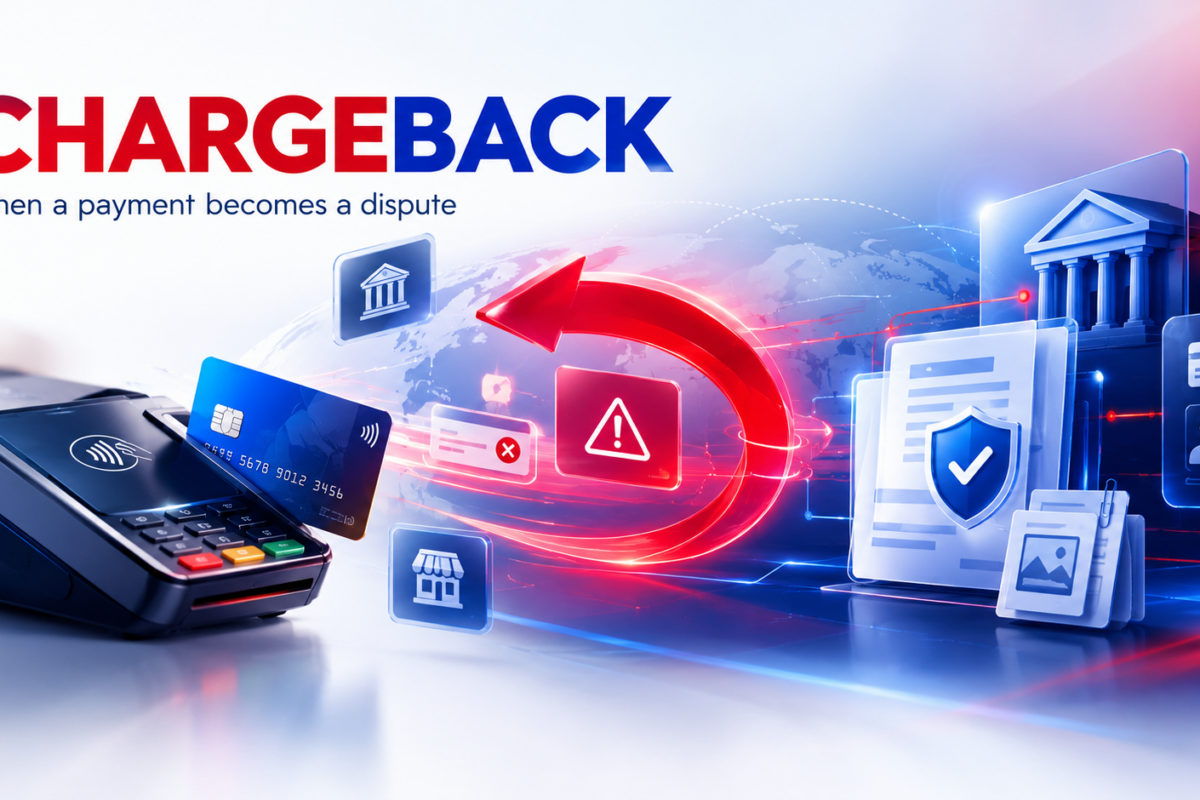
A customer pays for an order, subscription, or service with a card. Later, the customer contacts their bank and says there is a problem with the transaction. The bank may then start a dispute that can result in a chargeback.
For an online business, this can be more serious than simply returning a customer’s money. A chargeback can reverse the payment, trigger a fee, require the merchant to provide evidence, and create additional work for the business.
Chargebacks are also different from refunds. A refund is started by the merchant. A chargeback is initiated by the cardholder through their issuing bank. Understanding how chargebacks work helps merchants deal with disputes properly and, more importantly, identify why they are happening in the first place.
What Is a Chargeback?
A chargeback is a payment reversal that happens after a cardholder disputes a card transaction through their issuing bank. The customer does not usually ask the merchant to issue the reversal directly. Instead, they contact the bank that issued their card. The issuing bank reviews the claim and may initiate the dispute through the relevant card network. The transaction then enters a formal dispute process involving parties on both sides of the payment.
For example, suppose a customer buys a $200 product from an online clothing store. The customer says the package never arrived and contacts their bank instead of the merchant. If the dispute is accepted for processing, the $200 transaction may be charged back to the merchant while the case is investigated.
The merchant can then review the dispute and, where appropriate, submit evidence showing that the transaction was legitimate or that the order was properly fulfilled. The exact process depends on factors such as the card network, dispute reason, country, payment provider, and merchant agreement. There is no single procedure that applies identically to every chargeback.
How Does a Chargeback Work?
A chargeback involves several parties, although the customer and merchant are usually the ones most directly affected.
The cardholder is the customer who made the payment. The issuing bank is the bank that provided the customer’s card. The merchant is the business that accepted the payment.
On the merchant side, an acquirer or acquiring bank handles the merchant’s card-payment relationship. A payment processor may provide transaction processing and dispute services, while a payment gateway can provide the technology that transmits payment information during a transaction. The process generally starts when the customer disputes a transaction with the issuing bank.
The bank assigns the dispute to an applicable category and processes it according to the relevant network rules. Depending on the situation, the disputed amount may be debited from the merchant while the dispute is being reviewed. The merchant then has an opportunity to respond in eligible cases. This usually means providing evidence that addresses the reason for the dispute.
What happens when a customer files a chargeback can therefore involve several stages, from the initial claim through evidence review and a final decision. The merchant’s response deadline is important because failing to respond in time can affect the outcome.
Why Do Customers File Chargebacks?
There is no single reason customers file chargebacks. Some disputes result from genuine problems with a purchase. Others come from fraud, confusion, or misunderstandings. Common reasons include:
1. Fraud or unauthorized transactions
A cardholder may claim that they did not authorize a transaction. This can happen when stolen card details are used for an online purchase. It can also happen when a legitimate purchase looks unfamiliar to the customer.
For example, an online business may appear on a card statement under a billing descriptor that differs from the name customers know. A customer who does not recognize the description may assume the payment is fraudulent.
2. Merchandise or services were not received
A customer may dispute a transaction because an order never arrived or a service was not provided. Consider an online retailer that charges $150 for a product but the shipment is lost before delivery. If the customer contacts their bank rather than the retailer, the transaction may become a dispute.
3. Merchandise or services were not as described
Customers may also dispute payments when they believe the product or service was significantly different from what they purchased. This can happen with physical products, digital services, online courses, travel bookings, and other transactions.
4. Processing errors
Some disputes result from merchant or payment-processing errors. A customer might be charged twice for the same purchase, for example. Other problems can involve incorrect transaction amounts or issues with how a payment was processed.
5. Subscription disputes
Recurring payments create their own set of problems. A customer may forget that they signed up for a subscription, believe they canceled it, or fail to recognize a recurring charge.
In some cases, a customer knowingly made the original purchase but later disputes it. This is often referred to as friendly fraud, although the circumstances behind these disputes can vary considerably.
Chargeback vs. Refund: What’s the Difference?
A refund and a chargeback can both result in the customer getting their money back, but the processes are very different.
A refund starts with the merchant. The business decides to return the customer’s money. This might happen after a product is returned, an order is canceled, or a service cannot be provided.
A chargeback starts with the customer and their issuing bank. The customer disputes the transaction, and the bank handles the claim through the applicable payment network process.
Imagine a customer spends $80 on a pair of shoes.
- If the customer contacts the retailer, returns the shoes, and receives the $80 back, that is a refund.
- If the customer contacts their bank and disputes the $80 payment instead, the transaction can enter the chargeback process.
The distinction matters because chargebacks can create additional costs and administrative work that a normal refund may not.
What Does a Chargeback Cost a Business?
The financial impact of a chargeback can extend beyond the amount originally paid.
Suppose an online business receives a $200 chargeback. The merchant may lose the $200 transaction amount if the dispute is ultimately decided against the business. Depending on its payment agreement, it may also have to pay a chargeback fee.
There can be other costs that are less obvious. Someone at the business may need to investigate the order, review customer communications, check shipping information, gather transaction records, prepare evidence, and submit a response. If the business has already delivered a physical product or provided a service, it may also lose the cost of fulfilling that order.
For a digital business, the situation can look different. A customer might receive months of access to a software service before disputing the original payment. The business may lose the payment while still having incurred the cost of providing the service.
Some merchants may also face additional risk controls, reserves, monitoring, or other consequences when dispute activity becomes a concern. These measures depend on the payment provider, merchant agreement, network rules, and other factors. This is why the true cost of a chargeback is not necessarily the fee listed on a merchant’s processing statement.
What Is a Chargeback Reason Code?
A chargeback is generally associated with a reason code or dispute category that describes why the transaction is being challenged. The terminology and numbering differ between card networks, but the underlying purpose is similar: The reason identifies the nature of the dispute. This matters because the merchant’s evidence should address the actual reason for the claim.
For example,
- A customer disputing a transaction because merchandise was never received may require different evidence from a customer claiming that the transaction was unauthorized.
- For a delivery dispute, useful evidence might include shipping records, tracking information, and proof of delivery.
- For a digital service, the merchant might have account activity or records showing that the customer accessed the service.
A receipt alone may not be enough. Strong evidence is evidence that directly responds to the customer’s claim.
Can a Merchant Fight a Chargeback?
In eligible cases, a merchant can challenge a chargeback by submitting evidence through the applicable dispute process. This is often referred to as representment.
The merchant’s objective is to show why the transaction should not be reversed. The evidence required depends on the reason for the dispute.
- An online retailer might provide order confirmation, shipping records, delivery confirmation, and customer communications.
- A SaaS business might provide records showing that the customer logged into the account and used the service after the disputed payment.
- A subscription business could provide evidence relating to the customer’s enrollment, billing terms, cancellation records, and subsequent account activity.
The merchant should also pay attention to the response deadline. Dispute processes generally operate within specific timeframes, and those timeframes can vary depending on the network and circumstances.
Why Do Chargebacks Matter to Online Businesses?
One chargeback is not necessarily a sign that something is seriously wrong with a business. A pattern of chargebacks is more important. Payment networks and payment providers monitor merchant dispute activity. A business with consistently high levels of disputes may face additional scrutiny or other consequences, depending on the applicable program and merchant agreement.
This is where the chargeback ratio becomes important.
A chargeback ratio generally measures chargebacks in relation to a merchant’s card transactions over a particular period. The exact calculation can vary, so merchants should use the methodology that applies to their payment arrangement. A rising ratio can indicate problems that deserve attention.
For example, an increase in disputes might follow a change in billing practices, a spike in fraudulent transactions, recurring subscription complaints, shipping problems, or unclear product descriptions. The number itself is useful, but the reason behind the increase is often more useful.
How Can Businesses Prevent Chargebacks?
The best way to manage chargebacks is to reduce avoidable disputes before they happen.
Start with the basics.
Make sure customers know what they are buying, how much they will be charged, and when they can expect delivery. Use a billing descriptor that customers can reasonably recognize. Keep cancellation and refund terms clear.
For recurring businesses, make subscription terms and renewal charges easy to understand. An uncomplicated cancellation process can also prevent customers from turning a billing complaint into a bank dispute.
Fraud controls are important as well. Businesses should assess transactions for signs of suspicious activity and use appropriate authentication and verification measures where available.
Good recordkeeping also matters.
Keep order details, customer communications, delivery records, transaction information, refund activity, and other relevant evidence organized. If a dispute occurs, finding the right information quickly is much easier when records are already available.
Most importantly, look for patterns. If several customers are disputing the same type of payment, the solution may not be to fight each chargeback individually. The underlying issue could be a confusing checkout process, unclear subscription terms, fulfillment problems, or fraudulent activity.
The Bottom Line
A chargeback is a formal card-payment dispute initiated by a cardholder through their issuing bank. It is different from a refund because the merchant does not start the reversal. For online businesses, the important part is understanding what happens after a dispute is raised. The merchant may lose the transaction amount temporarily or permanently, face a fee, spend time gathering evidence, and deal with wider consequences if disputes become frequent.
The practical response is to monitor chargebacks closely, understand why customers are disputing payments, keep useful records, and fix recurring problems at their source. A chargeback is not just a lost transaction. It can be a useful signal that something in the payment, billing, fulfillment, or customer experience needs attention.

Categories
- ACH Payments (10)
- adult payment processing (11)
- AI (9)
- Altcoins (10)
- Banking (10)
- Bitcoin (133)
- Bitcoin ETF (11)
- Bitcoin Price (30)
- Blockchain (50)
- Brokering World Hunger Away (16)
- Business (17)
- card payment processing (10)
- CBD (11)
- CBDC (11)
- Chargeback (8)
- coaching business (11)
- COVID-19 (3)
- Crypto ATMs (1)
- Crypto Banking (17)
- Crypto Bill (1)
- Crypto business owner platform (31)
- Crypto Investment (3)
- Crypto Markets (5)
- Crypto Payment (35)
- Crypto Payment Processor (4)
- Crypto Prices (1)
- Crypto Trading (92)
- Cryptocurrency (402)
- Cryptocurrency Exchange (108)
- Data Visualization (2)
- dating platforms (11)
- debt collection payment processing (10)
- Decentralized Finance (7)
- DeFi Payment (9)
- DEX (3)
- Digital Currency (23)
- dropshipping payment processing (12)
- Ethereum (2)
- FAQ (7)
- file sharing payment processing (11)
- Finance (25)
- Financial Equality (4)
- Financial Freedom (8)
- Forex (35)
- hemp (1)
- ICO (2)
- Investment (11)
- IPTV (11)
- Merchant Account (10)
- Mining (3)
- News (66)
- NFTs (2)
- online gambling (11)
- P2P (1)
- Paybito (139)
- PayBitoPro (693)
- PayBitoPro Coin Listing (6)
- PayBitoPro Exchange (2)
- Payment Gateway (40)
- peptide (10)
- Post COVID Digital Transformation (1)
- Press Release (130)
- Privacy & Security (3)
- Real Estate (1)
- Stablecoin (5)
- Technology (15)
- Travel (11)
- Uncategorized (9)
- US Presidential Election (2)
- Utility Coin (1)
- Web3 business (4)
- Web3 Wallets (2)
- White Label Crypto Exchange (8)