How to Prevent Chargebacks: 10 Ways to Protect Your Business
- October 8, 2026
- Soham Guchait
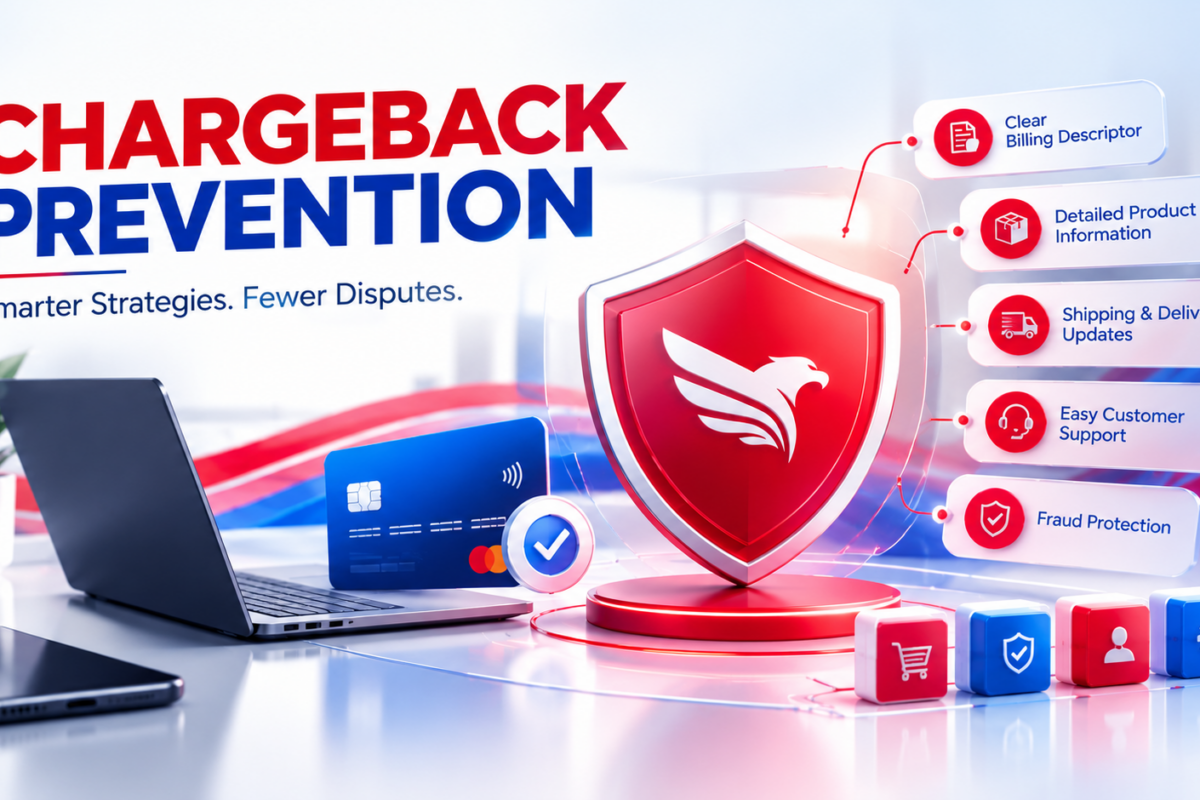
Chargebacks are easier to prevent when you treat them as a business problem rather than simply a payment-processing problem.
A customer may dispute a card payment because of fraud, a billing mistake, a missing order, a confusing subscription, or a disagreement about what they received. Some disputes are legitimate. Others happen because the customer does not recognize a transaction or chooses to contact their bank instead of the merchant.
For online businesses, the goal is not to eliminate every chargeback. That is rarely realistic. The goal is to reduce avoidable chargebacks, make legitimate transactions easier to recognize, and resolve customer problems before they become bank disputes.
If you are new to the subject, understanding what a chargeback is and how it works provides the foundation for the prevention strategies below.
1. Make Your Billing Descriptor Easy to Recognize
One surprisingly simple source of disputes is a customer not recognizing a transaction on their card statement. A customer may remember buying something but see a different business name on their statement. They might assume the transaction is fraudulent and contact their bank.
Your billing descriptor should be recognizable and consistent with the name customers associate with your business. If your legal company name, website name, and statement descriptor are very different, customers may struggle to connect the payment to their purchase.
This matters particularly for businesses selling through multiple brands, marketplaces, or subscription services. A recognizable descriptor does not prevent every fraud dispute, but it can reduce disputes caused by confusion.
2. Use Clear Product and Service Descriptions
Customers are less likely to dispute a payment when they understand exactly what they are buying.
- For an online clothing store, show important details such as size, material, color, shipping expectations, and return conditions.
- For a digital product, explain what the customer receives and how access works.
- For an online course, make the course contents and access period clear before payment.
Problems often arise when marketing language promises more than the actual product delivers. A customer who believes they received something materially different from what they purchased may have grounds for a dispute.
Clear descriptions therefore serve two purposes: They set customer expectations and give the merchant a stronger position if a dispute later occurs.
3. Make Shipping and Delivery Information Visible
For e-commerce businesses, delivery problems are a common reason for payment disputes.
A customer who pays $150 for an item and has no idea when it will arrive may become concerned after several days. If they cannot get a useful answer from the merchant, contacting their bank can seem like the next option.
Show estimated delivery times before the customer completes the purchase. Send order confirmations and shipping updates when appropriate. Keep tracking information available as well. If a customer claims that an order never arrived, records showing shipment and delivery can become important evidence during the dispute process.
The distinction between a customer receiving nothing and a customer receiving something they do not want also matters, which is why merchants should understand why customers file chargebacks and the different reasons behind them.
4. Make Your Refund and Cancellation Policies Clear
A customer who cannot understand how to cancel an order or request a refund may turn to their bank instead. Your policies should be easy to find and written in plain language. Explain when customers can request a refund, how they should make the request, whether products need to be returned, and how long processing normally takes.
The same principle applies to subscriptions.
If a customer signs up for a monthly service, make the recurring charge clear before payment. Do not hide renewal terms in a long block of text that customers are unlikely to read. A clear cancellation process can prevent a billing complaint from becoming a chargeback.
5. Give Customers an Easy Way to Contact You
Customer support is part of chargeback prevention.
Imagine someone notices a $90 charge they do not understand. If they can quickly find your support email or chat option and receive an explanation, they may resolve the issue directly with you.
If contacting the business is difficult, the customer’s bank may become the easier route. This is particularly important for billing disputes. A customer who believes they were charged twice may simply need confirmation that one transaction was an authorization and the other was the completed payment. Make your support contact details easy to find and respond promptly when customers raise payment, delivery, or subscription concerns.
6. Watch for Fraud Before Completing the Transaction
Not every chargeback can be prevented through better customer communication. Some happen because criminals use stolen card information to make purchases.
Fraud prevention measures can help identify transactions that deserve additional scrutiny. Depending on the business and payment setup, these may include transaction monitoring, authentication, address or identity checks, velocity controls, and other risk signals.
The right approach depends on the merchant’s risk profile. A digital-goods business may face different fraud patterns from an online retailer shipping physical products. The objective is not to reject every transaction that looks unusual. Excessive friction can also cause legitimate customers to abandon purchases. The goal is to identify genuinely suspicious activity without unnecessarily blocking good customers.
7. Handle Recurring Payments Carefully
Subscriptions create a particular chargeback risk because customers may forget about recurring billing or believe they have canceled.
Before starting a subscription, make the price, billing frequency, renewal terms, and cancellation process clear. When appropriate, send reminders about upcoming renewals or provide customers with easy access to their subscription settings.
Keep records of when the customer agreed to the subscription and any subsequent changes or cancellation requests. If a recurring payment is disputed, those records can help establish what the customer agreed to and whether the business followed its stated terms.
This is also why knowing what happens when a customer files a chargeback matters for subscription businesses: the merchant needs to understand what information may be useful if a recurring charge is challenged.
8. Keep Good Transaction and Fulfillment Records
Chargeback prevention and chargeback response are closely connected. Good records may not stop a dispute from being filed, but they can make it easier to challenge an invalid claim. Depending on the business, useful records may include:
- Order confirmations
- Transaction details
- Customer communications
- Shipping and tracking information
- Delivery confirmation
- Refund records
- Cancellation requests
- Subscription agreements
- Account activity
- Authentication information
Consider a SaaS business where a customer disputes a $500 annual subscription and claims they never used the service. Account records showing when the customer logged in, accessed features, and communicated with support may provide useful context. The evidence needed depends on the dispute’s reason, so merchants should retain records that relate directly to their products, services, and payment process.
9. Resolve Problems Before They Become Chargebacks
Prevention does not end when a payment is completed. Pay attention to complaints, refund requests, failed deliveries, billing questions, and cancellation requests. These interactions can reveal customers who may otherwise escalate a problem to their bank.
- If a customer says they do not recognize a charge, investigate it rather than immediately dismissing the complaint.
- If a customer says an order has not arrived, check the shipping status.
- If a customer says they canceled a subscription, review the account and cancellation records.
Sometimes the best way to prevent a chargeback is simply to solve the underlying problem quickly. And when a customer does dispute a transaction, knowing how much a chargeback can cost a business helps put the value of early resolution into perspective. The potential cost can include the disputed payment, fees, lost merchandise or service costs, and the staff time required to handle the dispute.
10. Monitor Your Chargeback Rate
Individual disputes matter, but patterns matter more. A merchant that receives a few isolated chargebacks may not have a systemic problem. A steady increase in disputes is different. Track your chargeback activity over time and look for changes by product, payment method, customer type, sales channel, or transaction period.
For example, if disputes suddenly increase after launching a new subscription plan, that may point to unclear renewal terms or cancellation problems. If disputes are concentrated around one product, examine its description, fulfillment process, and customer complaints.
Your chargeback ratio can provide another useful measure because it puts dispute activity in relation to your transaction volume. Understanding what a chargeback ratio is and why it matters helps merchants recognize when a growing number of disputes could become a broader payment-processing concern.
The exact ratio calculation and applicable thresholds can vary by card network, region, and payment arrangement, so use the methodology that applies to your business.
What Should You Do If Chargebacks Are Already Increasing?
If your chargeback rate is rising, do not immediately assume the answer is simply to fight more disputes. First, identify the reason behind the increase. Look at dispute categories, customer complaints, transaction patterns, fraud activity, shipping failures, subscription cancellations, and refund requests. Then address the underlying problem.
If fraud is increasing, review your fraud controls. If customers do not recognize transactions, examine your billing descriptor. If subscription disputes are increasing, review the sign-up and cancellation process. If delivery disputes are common, investigate fulfillment and shipping communication.
The best prevention strategy is usually specific to the problem creating the disputes.
The Bottom Line
Chargeback prevention starts well before a customer contacts their bank.
Clear billing information, accurate product descriptions, reliable fulfillment, straightforward refund and cancellation policies, responsive customer support, sensible fraud controls, and good transaction records can all reduce avoidable disputes. Just as importantly, monitor the disputes you do receive. A chargeback can tell you something about your business that a normal sale might not reveal.
If several customers are disputing the same type of transaction, do not treat each case as an isolated event. Find the common cause and fix it. That is what turns chargeback prevention from a reactive payment task into an ongoing part of running a healthier online business.

Categories
- ACH Payments (10)
- adult payment processing (11)
- AI (9)
- Altcoins (10)
- Banking (10)
- Bitcoin (133)
- Bitcoin ETF (11)
- Bitcoin Price (30)
- Blockchain (50)
- Brokering World Hunger Away (16)
- Business (17)
- card payment processing (10)
- CBD (11)
- CBDC (11)
- Chargeback (8)
- coaching business (11)
- COVID-19 (3)
- Crypto ATMs (1)
- Crypto Banking (17)
- Crypto Bill (1)
- Crypto business owner platform (31)
- Crypto Investment (3)
- Crypto Markets (5)
- Crypto Payment (35)
- Crypto Payment Processor (4)
- Crypto Prices (1)
- Crypto Trading (92)
- Cryptocurrency (402)
- Cryptocurrency Exchange (108)
- Data Visualization (2)
- dating platforms (11)
- debt collection payment processing (10)
- Decentralized Finance (7)
- DeFi Payment (9)
- DEX (3)
- Digital Currency (23)
- dropshipping payment processing (12)
- Ethereum (2)
- FAQ (7)
- file sharing payment processing (11)
- Finance (25)
- Financial Equality (4)
- Financial Freedom (8)
- Forex (35)
- hemp (1)
- ICO (2)
- Investment (11)
- IPTV (11)
- Merchant Account (10)
- Mining (3)
- News (66)
- NFTs (2)
- online gambling (11)
- P2P (1)
- Paybito (139)
- PayBitoPro (693)
- PayBitoPro Coin Listing (6)
- PayBitoPro Exchange (2)
- Payment Gateway (40)
- peptide (10)
- Post COVID Digital Transformation (1)
- Press Release (130)
- Privacy & Security (3)
- Real Estate (1)
- Stablecoin (5)
- Technology (15)
- Travel (11)
- Uncategorized (9)
- US Presidential Election (2)
- Utility Coin (1)
- Web3 business (4)
- Web3 Wallets (2)
- White Label Crypto Exchange (8)