Why Do Customers File Chargebacks? 10 Common Reasons Explained
- October 8, 2026
- Soham Guchait
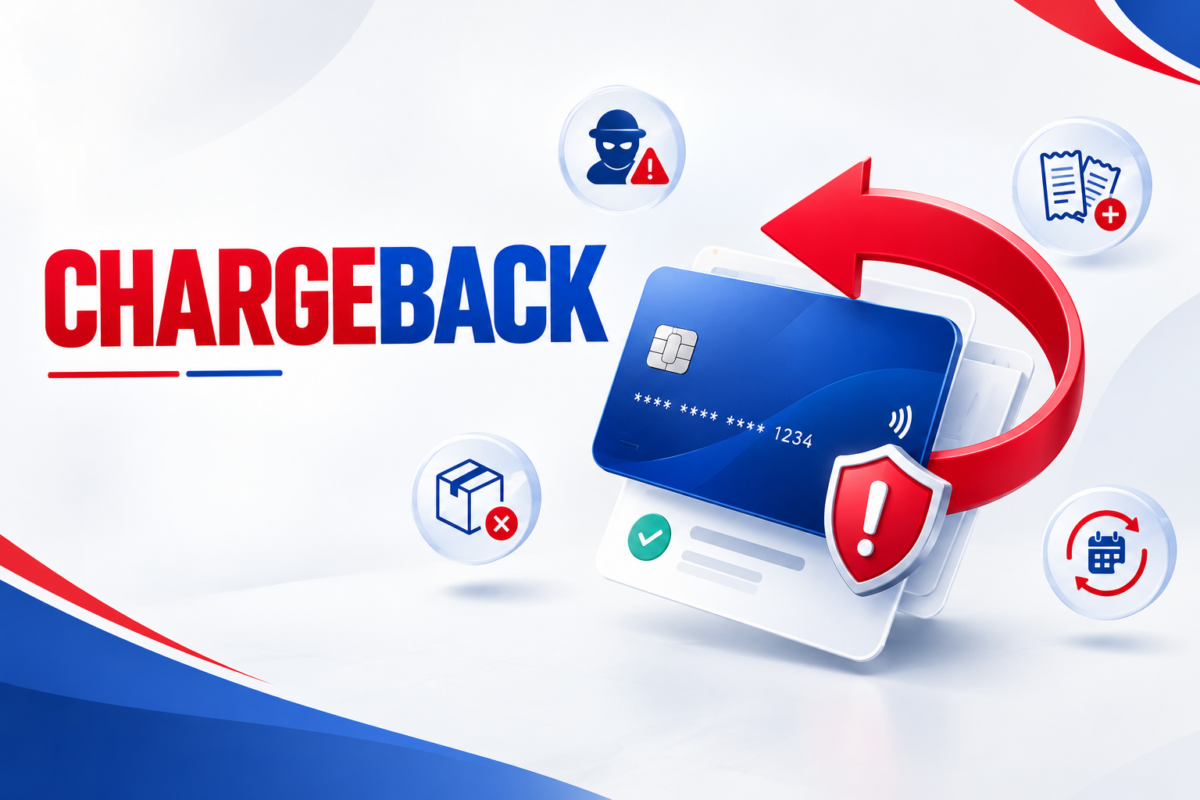
A customer does not always contact a business when something goes wrong with a card payment. Sometimes, they go straight to their bank and dispute the transaction.
That dispute can become a chargeback.
For online businesses, understanding why customers file chargebacks is important because the reason behind a dispute often points to a problem that can be fixed. A missing order may indicate a fulfillment issue. A recurring billing dispute may reveal unclear subscription terms. A fraud claim could point to weaknesses in payment security.
Not every chargeback means the merchant did something wrong. Some result from genuine fraud or customer misunderstanding. Others may be caused by merchant errors or what is sometimes called friendly fraud.
Before looking at the individual reasons, it helps to understand what a chargeback is and how the chargeback process works. Once that basic distinction is clear, the reasons behind customer disputes become much easier to understand.
1. The Customer Says the Transaction Was Unauthorized
One of the most serious reasons for a chargeback is a claim that the cardholder did not authorize the transaction. This can happen when someone obtains a customer’s card details and uses them to make an online purchase.
For example, a criminal could use stolen card information to buy electronics from an online store. The actual cardholder notices the transaction on their statement and contacts their issuing bank. The bank may then investigate the claim through the applicable dispute process.
Merchants can reduce this type of risk with appropriate fraud screening and authentication measures. The exact tools available depend on the payment setup, transaction type, and region.
However, not every fraud claim means the transaction was actually fraudulent. Customers sometimes fail to recognize legitimate purchases, particularly when the name appearing on their card statement differs from the business name they remember.
2. The Customer Does Not Recognize the Business or Transaction
A customer may see a payment on their card statement and simply not know what it is. This is different from someone knowingly saying, “I did not make this purchase.” The customer may have made the purchase but not recognize the merchant name or billing descriptor.
For example, someone buys a digital product from a company operating under a brand name but sees the parent company’s legal name on their statement. They may assume the payment is unauthorized. This is one reason businesses should use a billing descriptor that customers can reasonably recognize. A clear descriptor can prevent confusion before it turns into a dispute.
3. The Customer Never Received the Product or Service
A customer may file a chargeback because they paid for something but never received it. This is particularly relevant to e-commerce businesses.
Imagine a customer pays $180 for a laptop accessory. The merchant ships the order, but the package is lost during delivery. After waiting and receiving no useful update, the customer contacts their bank. From the customer’s perspective, they paid for something they never received.
The merchant may have valid evidence showing that the order was shipped, but whether that evidence resolves the dispute depends on the circumstances and applicable rules. This is why businesses should keep shipping records, tracking information, delivery confirmation, and customer communications.
4. The Product Was Different From What the Customer Expected
Customers can also dispute payments when they believe the product or service was not as described. This can happen when an online listing creates expectations that the delivered product does not meet.
For example, an online retailer advertises a jacket as genuine leather, but the product received by the customer is made from synthetic material. The customer may first ask the merchant for a refund or replacement. If the issue is not resolved, they may dispute the payment with their card issuer.
Accurate product descriptions and photographs can help reduce this type of problem. So can clear information about specifications, limitations, sizing, delivery, and returns.
5. The Customer Was Charged More Than Expected
A customer may dispute a transaction because the amount charged does not match what they expected to pay. The cause could be a genuine merchant error, an unexpected fee, currency conversion, or confusion about the final amount.
For example, a customer sees a $95 charge after expecting to pay $75. If the business cannot explain the difference clearly, the customer may contact their bank. This is particularly important for businesses with taxes, shipping charges, service fees, or variable pricing. The checkout page should make the final payable amount clear before the customer confirms the transaction.
6. The Customer Was Charged Twice
Duplicate charges are another common source of payment disputes. A customer may see two transactions for what appears to be one purchase and assume they have been billed twice. Sometimes the duplicate is genuine. Sometimes one entry may be an authorization and another the completed transaction, depending on how the payment appears during processing.
Consider a customer buying a $60 product. They check their banking app and see two $60 entries. Without an explanation from the merchant, they may assume the business charged them twice.
Businesses should monitor payment errors and make it easy for customers to ask about transactions they do not understand. If a duplicate charge really occurred, correcting it directly through a refund may resolve the issue before it becomes a chargeback.
7. The Customer Believes They Already Canceled the Subscription
Subscription businesses face a particular type of dispute involving recurring payments. A customer may believe they canceled a subscription, only to see another charge appear the following month.
For example, someone subscribes to an online software service and later cancels through what they believe is the cancellation process. A month later, another $30 payment appeared. If the customer cannot get the issue resolved with the business, they may contact their bank. The problem may come from a confusing cancellation process, a failed cancellation request, or a misunderstanding about when the cancellation takes effect.
Clear cancellation procedures and good records of cancellation requests can help prevent these disputes.
8. The Customer Did Not Realize the Payment Was Recurring
Not every subscription dispute involves an actual cancellation. Sometimes customers simply forget that a payment will renew automatically. This can happen when the initial purchase receives much more attention than the future billing terms.
For example, a customer signs up for a $10 monthly service. Several months later, they notice recurring charges they had forgotten about and dispute one or more of them.
Clear subscription terms should state the recurring price and billing frequency before the customer agrees to the service. Businesses should also make subscription information easy to access after signup. When recurring payments become a source of repeated disputes, understanding how to prevent chargebacks through clearer billing, cancellation, and customer-service practices becomes especially important.
9. The Customer Was Promised a Refund but Did Not Receive It
A customer may file a dispute after being told they would receive a refund but not seeing the money returned.
Suppose a customer returns a $250 product and the merchant confirms that the refund has been approved. Several days later, the customer still does not see the money in their account. The customer may become frustrated and contact their bank.
The merchant should keep records showing when the refund was initiated and the relevant transaction details. It is also important to remember that a refund does not necessarily appear in the customer’s account immediately. Processing times can vary. This is one reason chargebacks and refunds are not the same thing. A merchant-issued refund follows a different process from a bank-initiated chargeback.
10. The Customer Disputes a Legitimate Purchase
Not every chargeback is caused by fraud, a merchant error, or a genuine service problem. Sometimes a customer receives the product, uses the service, and later disputes the payment anyway. This is often described as friendly fraud.
The term can cover different situations. A customer might knowingly dispute a transaction because they want their money back. They might claim they did not authorize a purchase made by someone in their household. Or they might misunderstand how a transaction was processed.
For example, a customer buys an online course for $300, completes most of the course, and later tells their bank that they did not receive the service. The merchant may have records showing the customer’s account activity and course access. These disputes can be difficult because the merchant may need to provide evidence that directly addresses the customer’s claim.
What Causes Chargebacks to Increase?
Individual chargebacks are worth investigating, but patterns are often more revealing.
Suppose an online retailer suddenly receives a large number of disputes for “merchandise not received.” That may indicate a shipping problem rather than a payment problem.
If disputes are mostly fraud-related, the business may need to examine its transaction screening. While, if subscription disputes increase after a pricing change, customers may be confused about the new billing terms. Looking at the underlying reason can therefore be more useful than simply counting disputes.
The same principle applies to the merchant’s overall chargeback ratio and why it matters for the business. A rising ratio can indicate that a recurring problem is becoming significant relative to the merchant’s transaction volume. The exact ratio calculation and applicable thresholds vary by card network, region, and payment arrangement, so merchants should use the methodology relevant to their own setup.
The Bottom Line
Customers file chargebacks for many different reasons. Some are victims of fraud. Some never receive what they paid for. Others do not recognize a transaction, encounter billing problems, forget about recurring payments, or dispute legitimate purchases. The important point for merchants is that every chargeback contains information.
A rise in non-delivery disputes may point to fulfillment problems. Subscription disputes may reveal unclear billing or cancellation terms. Fraud claims may indicate a need for better transaction controls. Instead of treating every chargeback as an isolated payment problem, look at what the disputes are telling you about the business. That is often where the most effective prevention strategy begins.

Categories
- ACH Payments (10)
- adult payment processing (11)
- AI (9)
- Altcoins (10)
- Banking (10)
- Bitcoin (133)
- Bitcoin ETF (11)
- Bitcoin Price (30)
- Blockchain (50)
- Brokering World Hunger Away (16)
- Business (17)
- card payment processing (10)
- CBD (11)
- CBDC (11)
- Chargeback (8)
- coaching business (11)
- COVID-19 (3)
- Crypto ATMs (1)
- Crypto Banking (17)
- Crypto Bill (1)
- Crypto business owner platform (31)
- Crypto Investment (3)
- Crypto Markets (5)
- Crypto Payment (35)
- Crypto Payment Processor (4)
- Crypto Prices (1)
- Crypto Trading (92)
- Cryptocurrency (402)
- Cryptocurrency Exchange (108)
- Data Visualization (2)
- dating platforms (11)
- debt collection payment processing (10)
- Decentralized Finance (7)
- DeFi Payment (9)
- DEX (3)
- Digital Currency (23)
- dropshipping payment processing (12)
- Ethereum (2)
- FAQ (7)
- file sharing payment processing (11)
- Finance (25)
- Financial Equality (4)
- Financial Freedom (8)
- Forex (35)
- hemp (1)
- ICO (2)
- Investment (11)
- IPTV (11)
- Merchant Account (10)
- Mining (3)
- News (66)
- NFTs (2)
- online gambling (11)
- P2P (1)
- Paybito (139)
- PayBitoPro (693)
- PayBitoPro Coin Listing (6)
- PayBitoPro Exchange (2)
- Payment Gateway (40)
- peptide (10)
- Post COVID Digital Transformation (1)
- Press Release (130)
- Privacy & Security (3)
- Real Estate (1)
- Stablecoin (5)
- Technology (15)
- Travel (11)
- Uncategorized (9)
- US Presidential Election (2)
- Utility Coin (1)
- Web3 business (4)
- Web3 Wallets (2)
- White Label Crypto Exchange (8)