How to Prevent Chargebacks for Adult Entertainment Businesses?
- August 4, 2026
- Soham Guchait
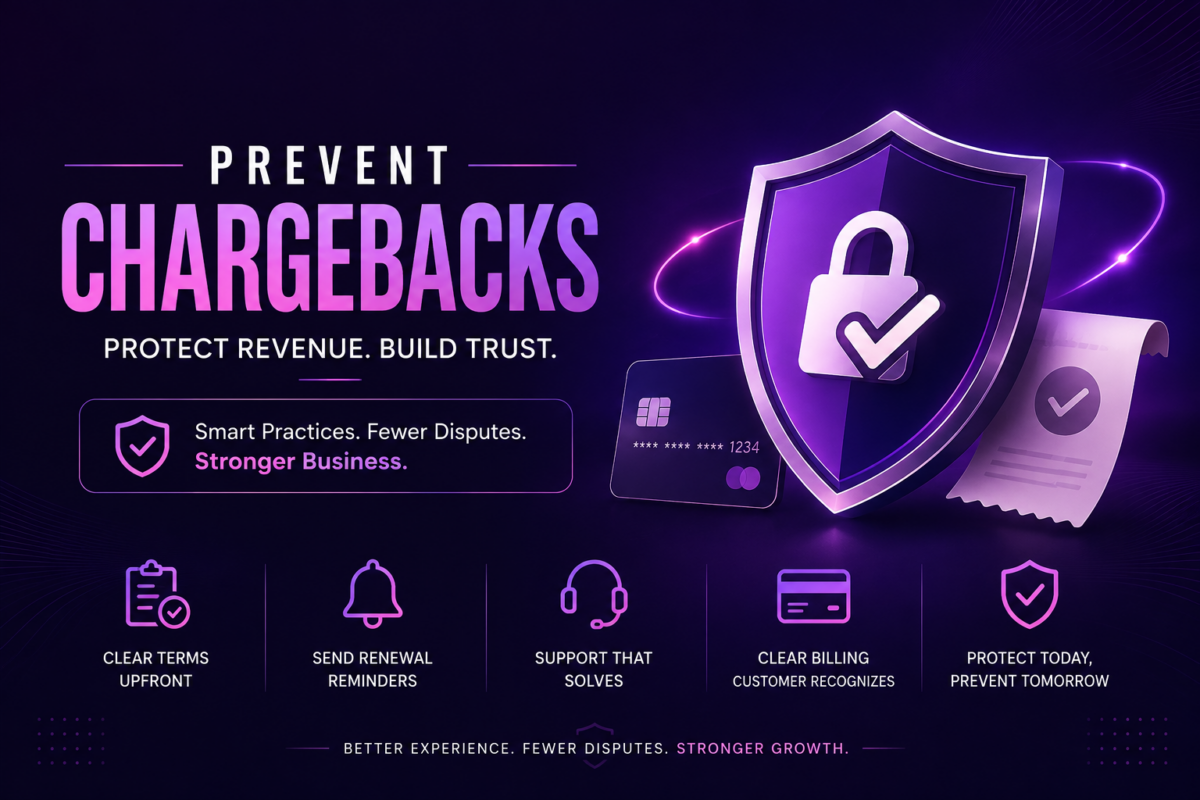
Chargebacks are one of the biggest payment challenges faced by adult businesses. A customer completes a transaction, receives access to a service or digital product, and later contacts their bank to reverse the payment. For the business, this can result in lost revenue, additional fees, administrative work, and increased payment risk.
While chargebacks happen in many industries, adult businesses often experience higher exposure because of recurring subscriptions, digital products, customer privacy concerns, and situations where customers may not recognize or remember a transaction.
Preventing chargebacks is not only about responding to disputes after they occur. The most effective approach is building clear payment processes, improving customer communication, and reducing the situations that lead customers to contact their banks in the first place. Understanding how chargebacks work is an important part of managing adult payment operations. Businesses that want a broader overview of payment challenges should first understand adult entertainment payment processing and how different payment risks affect the industry.
Why Do Adult Businesses Receive Chargebacks?
A chargeback occurs when a customer asks their bank to reverse a payment instead of resolving the issue directly with the business. The bank reviews the claim and may return the funds to the customer while investigating the transaction. Not every chargeback is caused by fraud. Many disputes happen because of confusion, misunderstanding, or poor communication between the business and customer.
For example, a customer may subscribe to a premium membership on an adult content platform. The subscription automatically renews after one month, but the customer forgets about the renewal. When they see the transaction on their statement, they may not recognize it and file a dispute.
From the business perspective, the payment was legitimate. From the customer’s perspective, the transaction may appear unfamiliar. Understanding these situations helps businesses focus on preventing disputes before they become chargebacks.
Common Reasons Adult Businesses Experience Chargebacks
Unrecognized Billing Descriptors
One of the most common causes of customer disputes is when a customer does not recognize a transaction on their bank statement. A billing descriptor is the information that appears when a payment is displayed on a customer’s card statement. If the description is unclear or unfamiliar, customers may assume the transaction is unauthorized.
For example, a customer who subscribes to a creator membership may recognize the platform name during signup but later forget the connection when a recurring charge appears on their bank statement. Clear billing information and customer communication can reduce these unnecessary disputes.
Subscription Renewal Confusion
Recurring billing creates predictable revenue for many adult businesses, but it also creates opportunities for misunderstandings. Customers may dispute charges because:
- They forgot about automatic renewal.
- They believed the subscription was cancelled.
- They did not understand the billing frequency.
- They expected a reminder before renewal.
For example, a customer signs up for a discounted monthly membership after a promotional offer. When the subscription renews at the standard price, they may consider the charge unexpected and request a reversal.
Businesses operating subscription models should clearly communicate renewal terms and cancellation processes. Understanding recurring billing for adult subscription websites can help companies create better subscription experiences and reduce disputes.
Digital Product and Access Disputes
Unlike physical products, digital services do not involve shipping records or delivery confirmations. This can make disputes more complicated.
A customer may claim they did not receive what they paid for, even when they accessed premium content or membership features.
For example, a customer purchases access to premium content, views the available material, and later claims the transaction was unauthorized. Without proper records showing account activity and access history, responding to the dispute becomes more difficult.
Friendly Fraud
Friendly fraud occurs when a legitimate customer disputes a transaction they actually made. This may happen because:
- The customer does not remember the purchase.
- Another family member used their payment method.
- They regret the purchase.
- They prefer contacting their bank instead of requesting a refund.
Friendly fraud is especially challenging because the transaction itself may be completely legitimate. Businesses should focus on improving communication, customer support, and transaction transparency to reduce these situations.
How Adult Businesses Can Prevent Chargebacks?
Preventing chargebacks requires a combination of clear policies, customer communication, and effective payment management. Important practices include:
- Clearly displaying subscription terms before payment.
- Making cancellation processes simple and accessible.
- Sending renewal reminders where appropriate.
- Providing responsive customer support.
- Maintaining transaction records and customer activity history.
- Using recognizable billing information.
- Creating clear refund procedures.
For example, a subscription platform that sends a reminder before renewal gives customers an opportunity to cancel or update their payment preferences. This reduces the likelihood that a customer will contact their bank after seeing an unexpected charge.
Managing Chargebacks When They Occur
Even businesses with strong prevention strategies will occasionally receive disputes. The goal is not to eliminate every chargeback but to maintain processes that reduce unnecessary losses.
When responding to disputes, businesses should maintain accurate records showing:
- Transaction details.
- Customer account information.
- Payment authorization.
- Subscription agreement.
- Login or access activity.
- Communication history.
For example, if a customer disputes a premium membership payment, records showing when the account was created, when payment was authorized, and when the customer accessed the service may help demonstrate that the transaction was valid.
Reducing Fraud-Related Chargebacks
Some chargebacks are caused by genuine unauthorized transactions involving stolen payment information or account compromise. Adult businesses should monitor unusual payment activity and identify suspicious behavior before transactions create losses.
Examples include:
- Multiple payment attempts using different cards.
- Sudden account activity from unusual locations.
- Multiple accounts connected to the same device.
- Unusual purchase patterns.
Businesses should understand the difference between customer disputes and criminal fraud. While chargeback prevention focuses heavily on customer experience and transaction clarity, fraud prevention focuses on identifying unauthorized activity before payments are completed. Companies dealing with these risks should also explore fraud prevention for adult entertainment payment processing to understand how businesses can reduce fraudulent transactions.
Conclusion
Chargebacks are a major operational challenge for adult businesses, but many disputes can be prevented through better payment practices, clearer communication, and improved customer experiences.
The most effective businesses do not treat chargebacks as only a payment problem. They view them as a combination of billing clarity, customer service, subscription management, and fraud prevention. By making transactions easier to understand, providing transparent subscription processes, and maintaining strong payment records, adult businesses can reduce disputes, protect revenue, and build more reliable payment operations.

Categories
- ACH Payments (10)
- adult payment processing (11)
- AI (9)
- Altcoins (10)
- Banking (10)
- Bitcoin (133)
- Bitcoin ETF (11)
- Bitcoin Price (30)
- Blockchain (50)
- Brokering World Hunger Away (16)
- Business (17)
- card payment processing (10)
- CBD (11)
- CBDC (11)
- Chargeback (8)
- coaching business (11)
- COVID-19 (3)
- Crypto ATMs (1)
- Crypto Banking (17)
- Crypto Bill (1)
- Crypto business owner platform (31)
- Crypto Investment (3)
- Crypto Markets (5)
- Crypto Payment (35)
- Crypto Payment Processor (4)
- Crypto Prices (1)
- Crypto Trading (92)
- Cryptocurrency (402)
- Cryptocurrency Exchange (108)
- Data Visualization (2)
- dating platforms (11)
- debt collection payment processing (10)
- Decentralized Finance (7)
- DeFi Payment (9)
- DEX (3)
- Digital Currency (23)
- dropshipping payment processing (12)
- Ethereum (2)
- FAQ (7)
- file sharing payment processing (11)
- Finance (25)
- Financial Equality (4)
- Financial Freedom (8)
- Forex (35)
- hemp (1)
- ICO (2)
- Investment (11)
- IPTV (11)
- Merchant Account (10)
- Mining (3)
- News (66)
- NFTs (2)
- online gambling (11)
- P2P (1)
- Paybito (147)
- PayBitoPro (693)
- PayBitoPro Coin Listing (6)
- PayBitoPro Exchange (2)
- Payment Gateway (48)
- peptide (10)
- Post COVID Digital Transformation (1)
- Press Release (130)
- Privacy & Security (3)
- Real Estate (1)
- Stablecoin (5)
- Technology (15)
- Travel (11)
- Uncategorized (10)
- US Presidential Election (2)
- Utility Coin (1)
- Web3 business (4)
- Web3 Wallets (2)
- White Label Crypto Exchange (8)
Recent Posts
- Payment Gateway vs. Payment Orchestration: What’s the Difference?
- What Is Smart Payment Routing? Strategies to Optimize Payment Performance
- How to Improve Payment Approval Rates for High-Risk Businesses?
- Why Are Online Payments Failing? Common Causes and How to Fix Them
- How to Use Multiple Payment Processors to Reduce Business Disruptions?