Fraud Prevention in Debt Collection Payment Processing: How Agencies Protect Transactions?
- August 10, 2026
- Soham Guchait
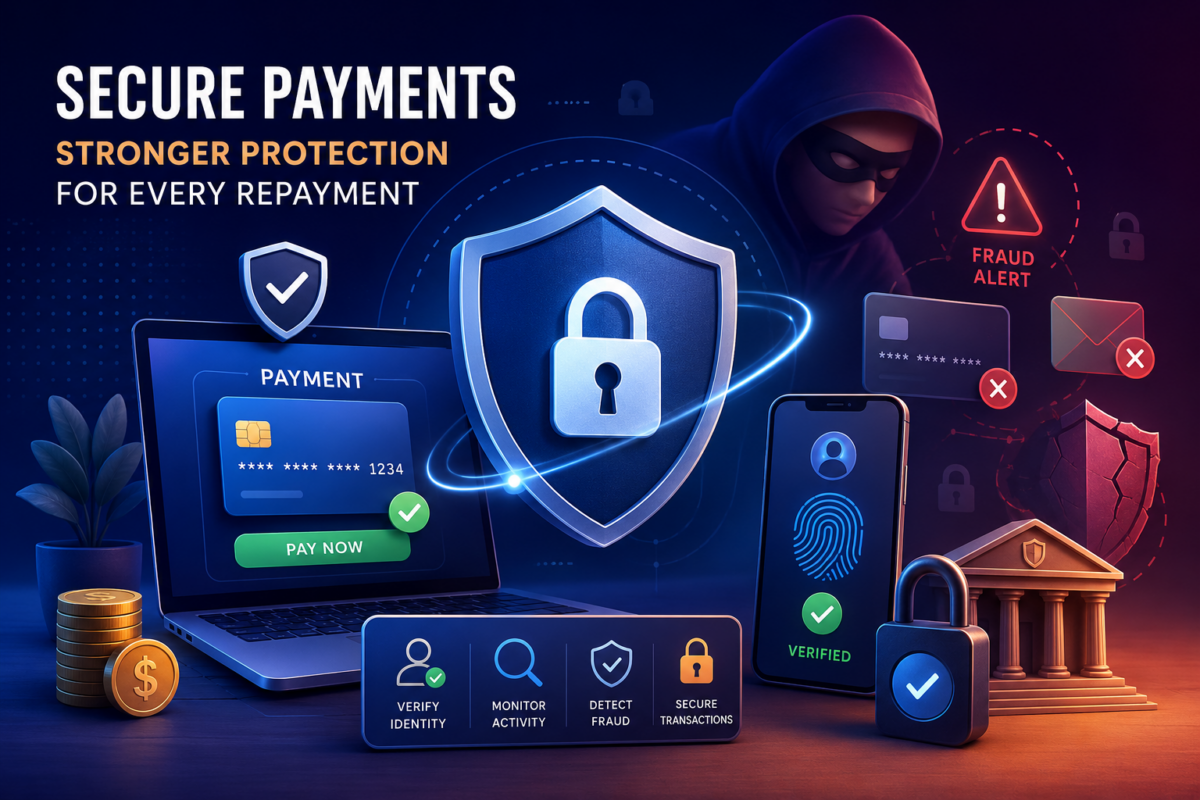
As debt collection agencies move from phone-based payments to digital payment channels, protecting transactions has become a critical part of payment operations. A consumer may make a legitimate repayment through an online portal, but collection agencies still need to ensure that payment information is being used correctly. Fraudulent transactions, stolen payment details, identity misuse, and unauthorized account activity can create financial losses and operational challenges.
For collection businesses, fraud prevention is not only about stopping suspicious transactions. It is about creating a payment environment where legitimate consumers can complete repayments easily while reducing risks associated with digital payments. Because debt collection involves sensitive financial information and high volumes of transactions, agencies need effective processes to identify, monitor, and respond to potential fraud risks.
Why Fraud Prevention Matters for Debt Collection Agencies?
Debt collection payments have unique characteristics that make fraud prevention especially important. Unlike traditional purchases, debt payments are connected to existing financial obligations. Collection agencies may process payments from consumers who are paying through online portals, phone systems, payment links, or recurring repayment arrangements.
This creates several potential risks.
For example, a loan recovery company allows consumers to make online repayments through a digital payment portal. A fraudster gains access to another person’s payment information and attempts to make unauthorized payments toward an account. Without proper monitoring, the transaction may appear legitimate until the actual account holder reports the activity.
Fraud prevention helps collection agencies:
- Protect consumer payment information
- Reduce unauthorized transactions
- Identify suspicious activity
- Maintain reliable payment operations
- Reduce financial losses
Strong fraud controls also support better dispute management because businesses can identify potential issues before they become chargebacks or payment disputes.
Common Fraud Risks in Debt Collection Payments
Identity Fraud
Identity fraud occurs when someone uses another person’s personal information to make unauthorized payment-related activities. In debt collection, this can happen when criminals attempt to:
- Access consumer accounts
- Use stolen identity information
- Provide false verification details
- Manipulate payment arrangements
For example, a medical debt collection agency provides consumers with an online repayment portal. A fraudster obtains personal information belonging to another individual and attempts to access the account or make unauthorized changes. Identity verification processes help businesses confirm that payment activity is connected to the correct individual.
Stolen Payment Information
Payment information theft is another common risk for businesses accepting digital payments. Criminals may use:
- Stolen card details
- Compromised bank information
- Unauthorized payment credentials
For example, a collection agency receives a card payment from a consumer account. The transaction is initially approved, but the actual cardholder later reports that their information was stolen and disputes the payment.
Monitoring transaction patterns and maintaining secure payment processes can help reduce these situations.
Account Takeover Attempts
Account takeover occurs when unauthorized individuals gain access to a consumer account or payment profile. A fraudster may attempt to:
- Change payment information
- Modify repayment settings
- Access stored payment details
For example, a consumer enrolled in a recurring repayment plan has their account credentials compromised. A criminal changes the stored payment information, creating unauthorized transaction activity.
Collection agencies need safeguards that detect unusual account behavior.
Suspicious Transaction Activity
High transaction volumes can make it difficult to identify unusual payment patterns without proper monitoring. Potential warning signs may include:
- Multiple failed payment attempts
- Unusual payment amounts
- Rapid changes to account information
- Repeated transactions from suspicious sources
A collection agency processing thousands of monthly repayments may need transaction monitoring systems to identify patterns that require additional review.
How Debt Collection Agencies Can Prevent Payment Fraud?
Fraud prevention requires multiple layers of protection. No single security measure can eliminate every risk, but a combination of verification, monitoring, and operational controls can significantly improve payment security.
Verify Consumer Information
Verification helps ensure that payment activity is connected to the correct individual.
Collection agencies may use verification processes before allowing certain payment actions, such as:
- Accessing account details
- Changing payment information
- Creating repayment plans
For example, before updating a recurring payment method, a collection agency may require additional verification to confirm the consumer’s identity.
Monitor Payment Transactions
Transaction monitoring helps businesses identify unusual activity before it creates larger problems. Agencies should review:
- Payment patterns
- Failed transaction trends
- Unusual account activity
- Changes in consumer information
For example, if a consumer account suddenly attempts multiple large payments from different payment methods, the activity may require additional review.
Monitoring helps separate legitimate consumer behavior from potentially fraudulent activity.
Secure Payment Channels
Consumers should have secure ways to make repayments. Payment channels should protect sensitive information during:
- Payment submission
- Data transmission
- Account access
- Transaction processing
For example, a collection agency offering online payments should ensure that consumers can complete transactions through secure payment pages rather than unsecured communication channels.
For collection agencies managing multiple payment channels, a white-label payment platform can also provide a centralized and branded environment for handling digital repayments. By bringing payment options, transaction management, and consumer-facing payment experiences into a structured platform, agencies can maintain greater consistency across payment channels while applying appropriate security and monitoring controls.
Balancing Fraud Prevention and Payment Convenience
One challenge for collection agencies is preventing fraud without making legitimate payments unnecessarily difficult.
Overly strict security controls can create friction for consumers who are trying to repay balances.
For example, a consumer making a scheduled monthly payment may have the transaction blocked because the system identifies a minor change in payment behavior. While the security measure may prevent fraud, it may also create frustration for a legitimate consumer.
Effective fraud prevention requires finding the right balance between security and payment accessibility. Agencies should regularly review transaction patterns and adjust their processes to reduce unnecessary payment interruptions.
The Connection Between Fraud Prevention and Chargeback Reduction
Fraud prevention and chargeback management are closely connected.
When unauthorized transactions occur, consumers may later dispute payments through their financial institutions. Strong fraud prevention practices help reduce the likelihood of unauthorized payments and provide better transaction records when disputes occur.
For example, a collection agency that maintains payment authorization records, verification details, and transaction history is better prepared to review disputes.
Understanding chargeback prevention strategies helps businesses create stronger payment operations.
Compliance and Fraud Management in Debt Collection Payments
Because collection agencies handle sensitive consumer and financial information, fraud prevention must be supported by responsible data management practices.
Businesses should focus on:
- Protecting consumer information
- Maintaining accurate payment records
- Monitoring transaction activity
- Following appropriate security procedures
Compliance practices help create a stronger foundation for fraud prevention and improve trust in digital payment processes. Collection agencies should also understand how payment compliance requirements influence transaction security and consumer data protection.
Conclusion
Fraud prevention is an essential part of debt collection payment processing as agencies increasingly rely on digital payment channels. Identity fraud, stolen payment information, account takeover attempts, and suspicious transaction activity can create significant challenges if not properly managed.
By implementing verification processes, monitoring transactions, securing payment channels, and maintaining strong operational controls, collection agencies can reduce fraud risks while providing consumers with reliable ways to complete repayments. A secure payment environment benefits both businesses and consumers by creating a more trusted and efficient repayment experience.

Categories
- ACH Payments (10)
- adult payment processing (11)
- AI (9)
- Altcoins (10)
- Banking (10)
- Bitcoin (133)
- Bitcoin ETF (11)
- Bitcoin Price (30)
- Blockchain (50)
- Brokering World Hunger Away (16)
- Business (17)
- card payment processing (10)
- CBD (11)
- CBDC (11)
- Chargeback (8)
- coaching business (11)
- COVID-19 (3)
- Crypto ATMs (1)
- Crypto Banking (17)
- Crypto Bill (1)
- Crypto business owner platform (31)
- Crypto Investment (3)
- Crypto Markets (5)
- Crypto Payment (35)
- Crypto Payment Processor (4)
- Crypto Prices (1)
- Crypto Trading (92)
- Cryptocurrency (402)
- Cryptocurrency Exchange (108)
- Data Visualization (2)
- dating platforms (11)
- debt collection payment processing (10)
- Decentralized Finance (7)
- DeFi Payment (9)
- DEX (3)
- Digital Currency (23)
- dropshipping payment processing (12)
- Ethereum (2)
- FAQ (7)
- file sharing payment processing (11)
- Finance (25)
- Financial Equality (4)
- Financial Freedom (8)
- Forex (35)
- hemp (1)
- ICO (2)
- Investment (11)
- IPTV (11)
- Merchant Account (10)
- Mining (3)
- News (66)
- NFTs (2)
- online gambling (11)
- P2P (1)
- Paybito (147)
- PayBitoPro (693)
- PayBitoPro Coin Listing (6)
- PayBitoPro Exchange (2)
- Payment Gateway (48)
- peptide (10)
- Post COVID Digital Transformation (1)
- Press Release (130)
- Privacy & Security (3)
- Real Estate (1)
- Stablecoin (5)
- Technology (15)
- Travel (11)
- Uncategorized (10)
- US Presidential Election (2)
- Utility Coin (1)
- Web3 business (4)
- Web3 Wallets (2)
- White Label Crypto Exchange (8)
Recent Posts
- Payment Gateway vs. Payment Orchestration: What’s the Difference?
- What Is Smart Payment Routing? Strategies to Optimize Payment Performance
- How to Improve Payment Approval Rates for High-Risk Businesses?
- Why Are Online Payments Failing? Common Causes and How to Fix Them
- How to Use Multiple Payment Processors to Reduce Business Disruptions?