International Payment Processing for Peptide Businesses: A Complete Guide to Selling Globally
- July 29, 2026
- Soham Guchait
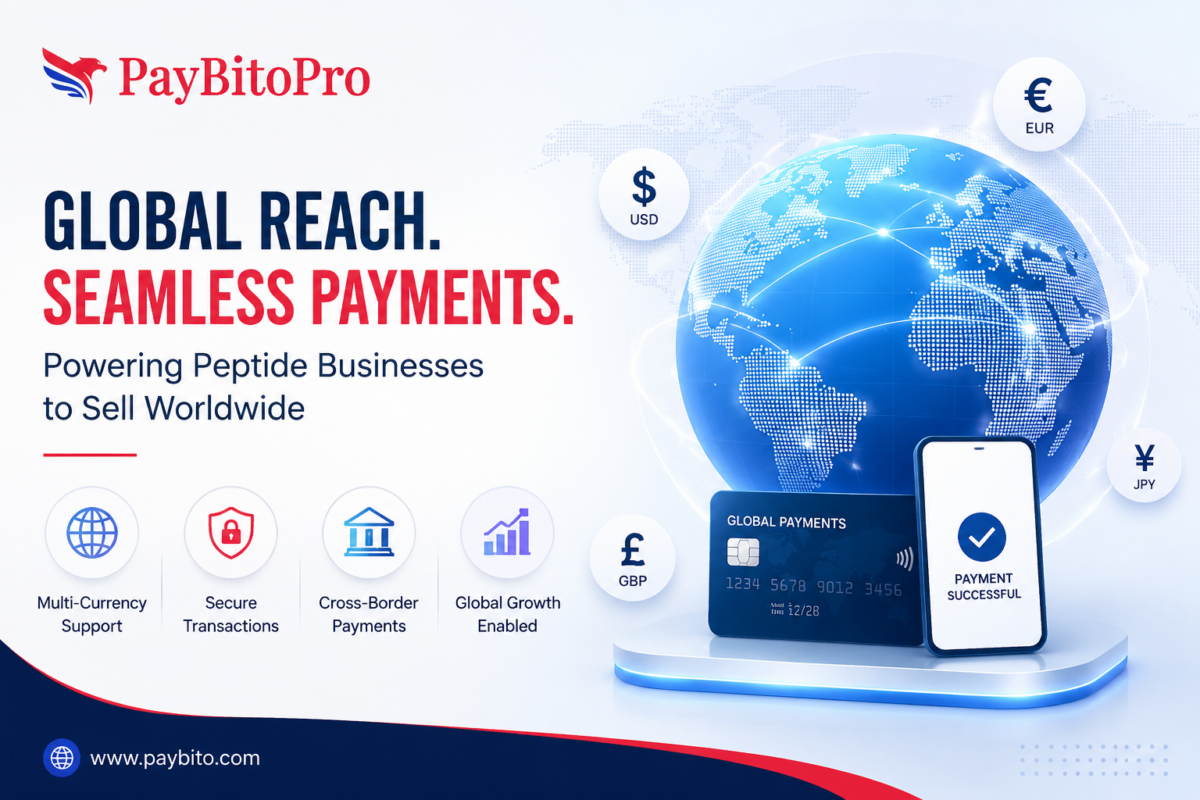
As peptide businesses expand beyond domestic markets, accepting payments from international customers becomes essential. However, selling globally involves more than simply offering international shipping. Businesses also need a reliable international payment processing solution that supports multiple currencies, secure transactions, and cross-border payments.
Whether supplying research institutions, biotechnology companies, distributors, or wholesale buyers, an efficient payment infrastructure helps businesses serve customers worldwide while reducing payment friction.
This guide explains how international payment processing works, the challenges peptide businesses face, and the features to consider when choosing a payment solution.
What Is International Payment Processing?
International payment processing is the system that allows businesses to securely accept payments from customers located in different countries. This process depends on a reliable payment gateway that securely connects customers, payment methods, and financial institutions during international transactions.
Unlike domestic transactions, international payments may involve:
- Multiple banks
- Different currencies
- Card networks
- Cross-border regulations
- Foreign exchange (FX) conversion
The payment process remains similar but includes additional verification and settlement steps before funds reach the merchant.
Example:
A peptide manufacturer based in the United States sells products to a biotechnology company in Germany.
The customer pays in euros, while the merchant receives settlement in U.S. dollars. Behind the scenes, the payment processor handles currency conversion, authorization, and communication between international financial institutions.
Why Does International Payment Processing Matters?
Expanding globally creates new business opportunities, but customers expect familiar and convenient payment experiences.
Without proper payment infrastructure, businesses may experience:
- Higher cart abandonment
- Payment failures
- Currency confusion
- Delayed settlements
- Customer frustration
Offering localized payment experiences helps improve customer confidence and increases completed transactions.
Common Challenges in Cross-Border Payment Processing
1. Currency Conversion
Customers generally prefer paying in their local currency. Displaying prices only in one currency may discourage international buyers because they cannot easily estimate the final cost. Businesses that support multiple currencies often provide a smoother purchasing experience.
Example:
A laboratory in Japan visits a peptide supplier’s website. Instead of seeing only U.S. dollar pricing, the customer can view prices in Japanese yen, making purchasing decisions easier.
2. Payment Method Preferences
Different countries have different payment preferences.
Some customers primarily use:
- Credit cards
- Debit cards
- Bank transfers
- Digital wallets
- ACH payments
Supporting multiple payment methods allows businesses to reach a broader customer base.
3. Fraud Prevention
Cross-border transactions may receive additional fraud screening because international payments carry greater risk.
Payment systems often review:
- Customer location
- Device information
- Purchase history
- Transaction amount
- Payment behavior
A balanced fraud prevention strategy protects businesses while minimizing unnecessary payment declines.
4. Settlement Times
International transactions often require additional processing before settlement.
Settlement speed depends on:
- Banks involved
- Payment methods
- Currency conversion
- Country-specific regulations
Businesses should understand expected settlement timelines when planning cash flow.
Essential Features of an International Payment Processing Solution
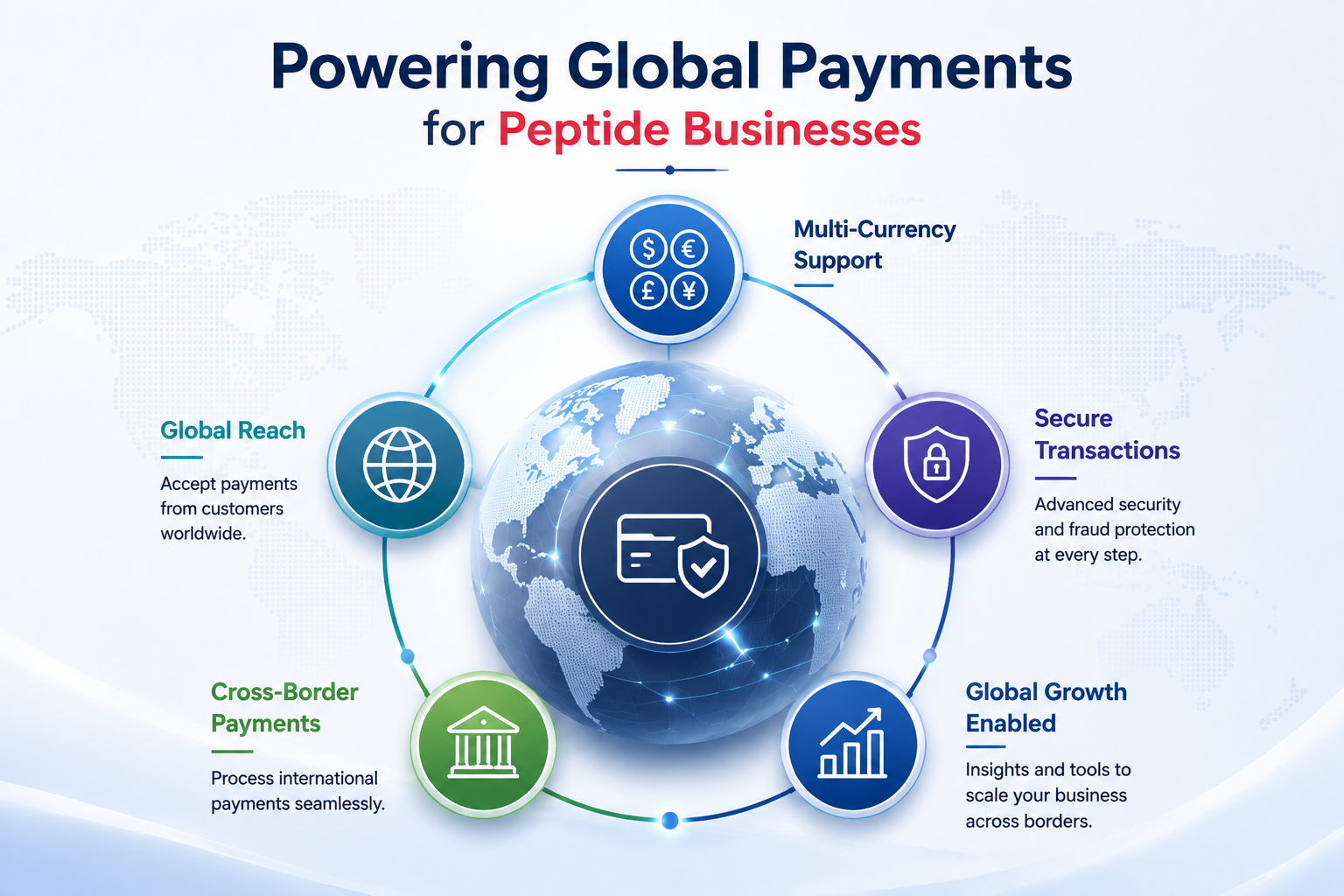
Multi-Currency Support
Customers should be able to pay using their preferred currency.
Benefits include:
- Improved customer experience
- Greater pricing transparency
- Reduced checkout abandonment
- Easier international expansion
Secure Payment Processing
Security remains essential for every online transaction.
Look for solutions that include:
- Data encryption
- Tokenization
- Secure payment authentication
- Fraud monitoring
- PCI DSS compliance
Secure payment environments protect both merchants and customers.
Cross-Border Payment Capabilities
A strong international payment solution should support payments across multiple regions without creating unnecessary complexity.
Businesses should evaluate:
- Country coverage
- Settlement options
- International card acceptance
- Regional payment methods
Payment Analytics
Understanding international transaction performance helps businesses improve operations. For businesses managing repeat customers or subscription-based orders, monitoring recurring payments performance can also help track successful billing cycles and reduce payment interruptions.
Useful reporting includes:
- Payment success rates
- Country-specific sales
- Currency performance
- Settlement reports
- Declined transactions
These insights help identify growth opportunities in different markets.
Best Practices for Selling Peptides Internationally
Companies offering repeat orders should also consider recurring billing solutions to simplify repeat transactions and create a smoother customer experience. When expanding internationally, businesses should consider the following strategies.
Offer Transparent Pricing
Customers should understand:
- Product pricing
- Currency used
- Shipping costs
- Taxes and applicable fees
Unexpected costs during checkout often lead to abandoned purchases.
Provide Localized Customer Support
International buyers appreciate communication that reflects their region and purchasing experience.
Providing clear contact information and responsive support helps build trust.
Optimize Checkout for Global Customers
An effective checkout should be:
- Mobile-friendly
- Fast-loading
- Secure
- Easy to navigate
- Available in multiple currencies where appropriate
Reducing checkout friction improves conversion rates.
Example: Two Businesses Expanding Internationally
Business A
- Accepts payments only in one currency
- Supports limited payment methods
- Provides no localized checkout experience
Many international customers abandon their purchases because the process feels unfamiliar.
Business B
- Supports multiple currencies
- Accepts several payment methods
- Uses secure international payment processing
- Provides transparent pricing
Customers complete purchases more confidently, leading to stronger international sales.
Future Trends in International Payment Processing
Global commerce continues to evolve, and payment technology is advancing rapidly.
Emerging trends include:
- Faster cross-border settlements
- AI-powered fraud detection
- Expanded digital wallet adoption
- Real-time payment networks
- Greater multi-currency flexibility
Businesses that stay current with these developments will be better positioned to serve international customers.
Conclusion
Reliable international payment processing is essential for peptide businesses looking to expand into global markets.
Supporting multiple currencies, secure payment methods, fraud prevention, and localized checkout experiences helps businesses reduce payment friction and improve customer satisfaction.
As international demand continues to grow, investing in scalable cross-border payment capabilities enables peptide businesses to reach new markets while creating a seamless purchasing experience for customers around the world.
Categories
- ACH Payments (10)
- adult payment processing (11)
- AI (9)
- Altcoins (10)
- Banking (10)
- Bitcoin (133)
- Bitcoin ETF (11)
- Bitcoin Price (30)
- Blockchain (50)
- Brokering World Hunger Away (16)
- Business (17)
- card payment processing (10)
- CBD (11)
- CBDC (11)
- Chargeback (8)
- coaching business (11)
- COVID-19 (3)
- Crypto ATMs (1)
- Crypto Banking (17)
- Crypto Bill (1)
- Crypto business owner platform (31)
- Crypto Investment (3)
- Crypto Markets (5)
- Crypto Payment (35)
- Crypto Payment Processor (4)
- Crypto Prices (1)
- Crypto Trading (92)
- Cryptocurrency (402)
- Cryptocurrency Exchange (108)
- Data Visualization (2)
- dating platforms (11)
- debt collection payment processing (10)
- Decentralized Finance (7)
- DeFi Payment (9)
- DEX (3)
- Digital Currency (23)
- dropshipping payment processing (12)
- Ethereum (2)
- FAQ (7)
- file sharing payment processing (11)
- Finance (25)
- Financial Equality (4)
- Financial Freedom (8)
- Forex (35)
- hemp (1)
- ICO (2)
- Investment (11)
- IPTV (11)
- Merchant Account (10)
- Mining (3)
- News (66)
- NFTs (2)
- online gambling (11)
- P2P (1)
- Paybito (147)
- PayBitoPro (693)
- PayBitoPro Coin Listing (6)
- PayBitoPro Exchange (2)
- Payment Gateway (48)
- peptide (10)
- Post COVID Digital Transformation (1)
- Press Release (130)
- Privacy & Security (3)
- Real Estate (1)
- Stablecoin (5)
- Technology (15)
- Travel (11)
- Uncategorized (10)
- US Presidential Election (2)
- Utility Coin (1)
- Web3 business (4)
- Web3 Wallets (2)
- White Label Crypto Exchange (8)
Recent Posts
- Payment Gateway vs. Payment Orchestration: What’s the Difference?
- What Is Smart Payment Routing? Strategies to Optimize Payment Performance
- How to Improve Payment Approval Rates for High-Risk Businesses?
- Why Are Online Payments Failing? Common Causes and How to Fix Them
- How to Use Multiple Payment Processors to Reduce Business Disruptions?